
The Rise of AI-Powered Workspaces in 2026: Redefining Productivity
The modern workplace is undergoing a transformation that would have seemed like science fiction just a few years ago. As of 2026, artificial intelligence is no longer just a tool, it has become a core collaborator. From automating repetitive tasks to enhancing decision-making, AI-powered workspaces are redefining how businesses operate and how professionals engage with their work.
One of the most significant changes is the shift from manual workflows to intelligent systems. Today’s workplaces are equipped with AI assistants that can draft emails, generate reports, analyze data trends, and even participate in meetings by summarizing discussions in real time. This evolution has drastically reduced the time spent on routine tasks, allowing employees to focus on creative and strategic responsibilities. Companies adopting these systems are seeing measurable improvements in efficiency and output quality
Another major development is the integration of AI into communication platforms. Virtual collaboration tools now come with built-in intelligence that can translate languages instantly, suggest responses, and highlight key action points. This has made global teamwork smoother than ever, breaking down geographical and linguistic barriers. Remote and hybrid work models have benefited immensely, making teams more connected and productive regardless of location
Security and personalization have also reached new heights. AI systems can detect unusual behavior patterns and prevent cyber threats before they occur. At the same time, they personalize the work experience for each employee—adjusting dashboards, recommending tasks, and even suggesting breaks based on productivity patterns. This balance between security and user-centric design is shaping a healthier and more efficient work culture
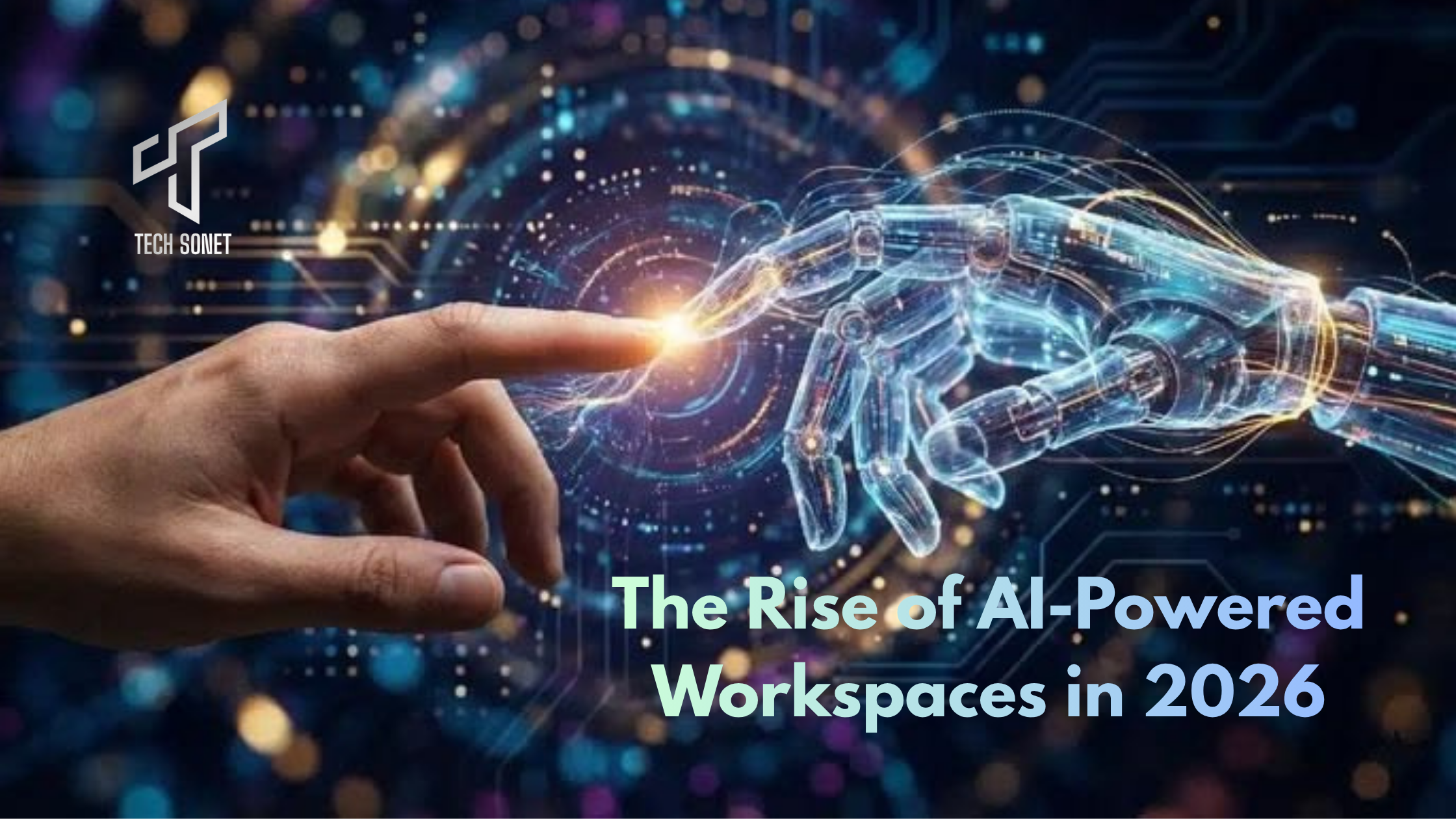
Technology is best when it empowers people, not replaces them
However, this rapid advancement also raises important questions. As AI takes over more responsibilities, the demand for upskilling has become critical. Professionals must now focus on learning how to work alongside AI, rather than compete with it. Skills like critical thinking, creativity, and emotional intelligence are becoming more valuable than ever.
To stay relevant in this evolving landscape, organizations are increasingly investing in training programs and digital literacy initiatives. Employees are encouraged to embrace continuous learning, adapting to new tools and technologies that emerge rapidly. This cultural shift towards lifelong learning is not just beneficial—it is becoming essential for career growth and organizational success.

Key advantages of AI-powered workspaces include:
- Increased productivity through automation of repetitive tasks
- Enhanced decision-making with real-time data insights
- Improved collaboration across global teams
- Personalized employee experiences and workflows
- Stronger cybersecurity with predictive threat detection
Looking ahead, the synergy between humans and AI is expected to deepen even further. Future workspaces may include more advanced virtual environments, smarter assistants, and seamless integration of emerging technologies like augmented reality. Organizations that proactively adapt to these changes will be better positioned to innovate, compete, and thrive in the digital age.
In conclusion, the AI-powered workspace of 2026 is not about replacing humans—it’s about enhancing human potential. Businesses that embrace this change are not only staying ahead of the curve but also building a future-ready workforce. As technology continues to evolve, one thing is clear: the future of work is smarter, faster, and more collaborative than ever before